 digtimadminjorn
Waymo, a subsidiary of Alphabet Inc., is at the forefront of the autonomous vehicle revolution. Since its inception as a project within Google in 2009, Waymo has evolved into a leading company dedicated to making self-driving technology a reality. By focusing on safety, innovation, and extensive testing, Waymo aims to transform how we travel, making transportation more accessible, efficient, and safe.
The Genesis of Waymo
Waymo’s journey began within the Google X lab as the Google Self-Driving Car Project. The project’s goal was ambitious: to develop a fully autonomous vehicle capable of navigating safely and efficiently without human intervention. Spearheaded by Sebastian Thrun, an expert in robotics and artificial intelligence, the team made significant strides in developing advanced sensor systems, machine learning algorithms, and mapping technologies.
In December 2016, the project was rebranded as Waymo, reflecting its mission to create a new way forward in mobility.
Advanced Technology and Innovation
Waymo’s technology stack combines hardware and software innovations to ensure safe and reliable autonomous driving. Key components include:
- Lidar and Sensors: Waymo vehicles are equipped with an array of sensors, including lidar (Light Detection and Ranging), radar, and cameras. These sensors provide a 360-degree view of the vehicle’s surroundings, detecting objects, pedestrians, and other vehicles with high precision.
- Machine Learning and AI: Waymo utilizes advanced machine learning algorithms to interpret data from its sensors, making real-time decisions for safe navigation. The AI system learns from millions of miles driven in both real-world conditions and simulated environments.
- HD Mapping: High-definition maps are crucial for autonomous driving. Waymo creates detailed 3D maps that include lane markers, traffic signals, and other road features, providing a comprehensive understanding of the driving environment.
- Redundancy and Safety: Safety is paramount in autonomous driving. Waymo’s systems are designed with multiple layers of redundancy, ensuring that if one system fails, others can take over to maintain safe operation.
Extensive Testing and Deployment
Waymo’s commitment to safety is evident in its rigorous testing protocols. The company has logged over 20 million miles on public roads across multiple states and billions of miles in simulation. These extensive testing efforts are designed to refine the technology and prepare it for diverse driving conditions.
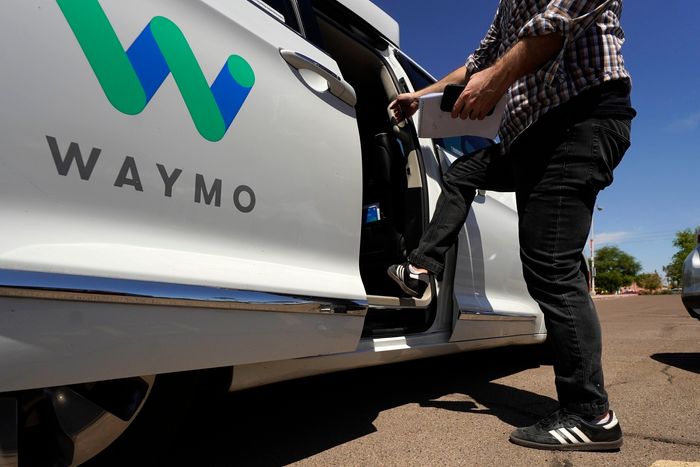
In 2018, Waymo launched Waymo One, a commercial self-driving ride-hailing service in the Phoenix metropolitan area. This service allows users to hail autonomous vehicles through a mobile app, providing a glimpse into the future of transportation. Waymo’s fleet includes various vehicle models, such as the Chrysler Pacifica minivan and the Jaguar I-PACE electric SUV, all equipped with the company’s self-driving technology.
Collaboration and Expansion
Waymo’s vision extends beyond passenger vehicles. The company is exploring autonomous solutions for freight and delivery services. Through partnerships with logistics companies and pilot programs, Waymo aims to bring the benefits of autonomous driving to the transportation of goods, enhancing efficiency and reducing costs.
Collaboration is key to Waymo’s strategy. The company works with automotive manufacturers, technology providers, and public agencies to advance autonomous driving. Partnerships with firms like Fiat Chrysler Automobiles (FCA) and Jaguar Land Rover enable Waymo to integrate its technology into a variety of vehicle platforms.
Challenges and Future Prospects
While Waymo has made significant progress, challenges remain. Public acceptance, regulatory hurdles, and technological refinement are critical areas that require ongoing attention. Building trust in autonomous technology involves transparent communication, demonstrating safety through extensive testing, and ensuring that vehicles can handle complex driving scenarios.
Looking ahead, Waymo aims to expand its services to more cities and explore new applications for its technology. The company’s ultimate goal is to create a world where autonomous vehicles enhance mobility for everyone, providing safe, reliable, and accessible transportation options.
In conclusion, Waymo is a pioneer in the autonomous vehicle industry, driving forward with a commitment to safety, innovation, and extensive testing. As the company continues to develop and deploy its technology, it is poised to transform the future of transportation, making autonomous driving a reality.


 digtimadminjorn