 digtimadminjorn
Introduction: From Followers to Communities
Social media marketing is entering a new phase. For years, brands focused heavily on follower counts, impressions, likes, and viral posts. But as social platforms become increasingly crowded, simply publishing content is no longer enough to build lasting customer relationships. Community building is emerging as one of the most important strategies in modern social media marketing, helping brands turn passive audiences into active participants. Recent research from HubSpot found that 85% of marketers consider building an active social media community important to their overall social strategy.
Why Traditional Social Media Marketing Is Changing
The social media environment has become highly competitive, with millions of brands publishing content every day. More posts do not necessarily mean more impact. Sprout Social’s 2025 research emphasizes that brands should prioritize content quality and audience relevance instead of simply increasing posting volume. This shift is encouraging marketers to think beyond broadcasting promotional messages. Instead of asking only how many people saw a post, businesses increasingly need to consider whether people interacted with it, discussed it, shared it, or developed a stronger relationship with the brand.
Communities Create Stronger Brand Loyalty
A strong community gives customers a reason to stay connected with a brand beyond individual purchases. People can participate in conversations, exchange experiences, ask questions, share feedback, and interact with others who have similar interests. This sense of belonging can make the relationship between a customer and a brand more meaningful. HubSpot’s 2025 social media research found that 30% of marketers identified increased brand sentiment and loyalty as a major benefit of community building. For businesses, this demonstrates why community-focused marketing can complement traditional advertising and promotional campaigns.
Engagement Becomes a Two-Way Conversation
Traditional advertising is largely one-directional: a business creates a message and delivers it to an audience. Community marketing works differently. It encourages conversations between brands and customers, as well as between customers themselves. Comments, discussions, questions, polls, user-generated content, live sessions, and community groups can turn social media into an interactive environment. HubSpot notes that community management involves engaging existing audiences while also helping potential audiences discover a brand through conversations in spaces where they already spend time.
User-Generated Content Becomes a Powerful Asset
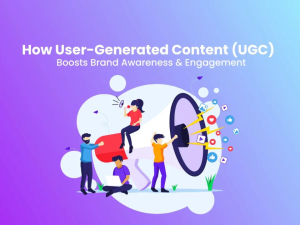
One of the biggest advantages of an active community is user-generated content (UGC). Customers can become contributors by sharing product experiences, reviews, tutorials, photographs, videos, or creative interpretations of a brand. This content can provide social proof while giving businesses authentic material that feels different from traditional advertising. HubSpot’s 2025 research found that 24% of marketers reported community building incentivizes user-generated content. When customers voluntarily participate, they can help expand a brand’s message through their own networks and communities.
Niche Communities Can Deliver More Meaningful Engagement
Brands do not necessarily need millions of followers to build a valuable social community. Smaller, focused communities can sometimes generate stronger conversations because members share specific interests or needs. Sprout Social’s research highlights the growing importance of niche communities and notes that smaller creators often develop closer relationships with their audiences. For example, a skincare brand could build a community around skincare education, while a technology company could create conversations around a specific product category. The goal is not maximum audience size but meaningful relevance.
Social Platforms Are Investing in Community Experiences
The growth of community-focused features across social platforms reflects the broader shift toward interest-based conversations. Meta’s Threads, for example, introduced Communities that allow people to connect around specific topics and interests, with additional features designed to encourage participation and recognize active community members. Facebook has also continued developing Groups as spaces where people connect around shared interests and seek advice from others. These developments show how online communities are becoming an increasingly important part of social discovery and engagement.
Community Insights Can Improve Marketing Decisions
Community building is not only about engagement; it can also provide valuable customer insights. Conversations can reveal what customers like, what problems they experience, what questions they repeatedly ask, and what products or services they want next. This information can influence content strategy, product development, customer service, and advertising. Sprout Social’s 2025 research found that marketing leaders increasingly want social teams to provide audience and competitor insights that can contribute to broader business decisions. In this way, an active community can become a continuous source of real-world market feedback.
The Future Is About Relationships, Not Just Reach
Reach will remain important in social media marketing, but reach alone does not guarantee meaningful business results. Brands need people who remember them, trust them, recommend them, and actively participate in conversations. Community-focused marketing helps businesses move from short-term attention toward longer-term relationships. Sprout Social’s 2025 research specifically advises brands to focus on resonance rather than simply chasing mass reach, noting that high-value niche communities can offer stronger engagement and conversion opportunities. This makes community building particularly relevant for brands competing in crowded digital markets.
Conclusion: Build a Community, Not Just an Audience
The future of social media marketing is increasingly moving from audience accumulation to relationship building. Followers may provide visibility, but communities can create conversations, loyalty, advocacy, feedback, and user-generated content. Successful brands will therefore need to listen as much as they publish, respond as much as they promote, and create spaces where customers feel valued. Community building should not replace creative content, paid advertising, or influencer marketing; instead, it can connect these activities into a stronger social media strategy. In an increasingly crowded digital world, brands that give people a reason to participate—not just a reason to buy—can build relationships that extend far beyond a single social media post.


 digtimadminjorn