 digtimadminjorn
Virtual reality (VR) technology has rapidly gained popularity and is reshaping various industries, particularly in the realm of entertainment. With its immersive and interactive capabilities, VR has the potential to revolutionize how we experience media, engage with content, and even interact with each other.
Entertainment and Gaming
The entertainment industry has embraced VR as a powerful medium for storytelling and gaming experiences. From virtual reality movies and immersive theme park attractions to virtual reality gaming consoles and platforms, VR has opened up new dimensions of entertainment. Users can step into virtual worlds, explore new environments, and interact with virtual characters, creating a truly immersive and captivating experience.
Training and Simulation
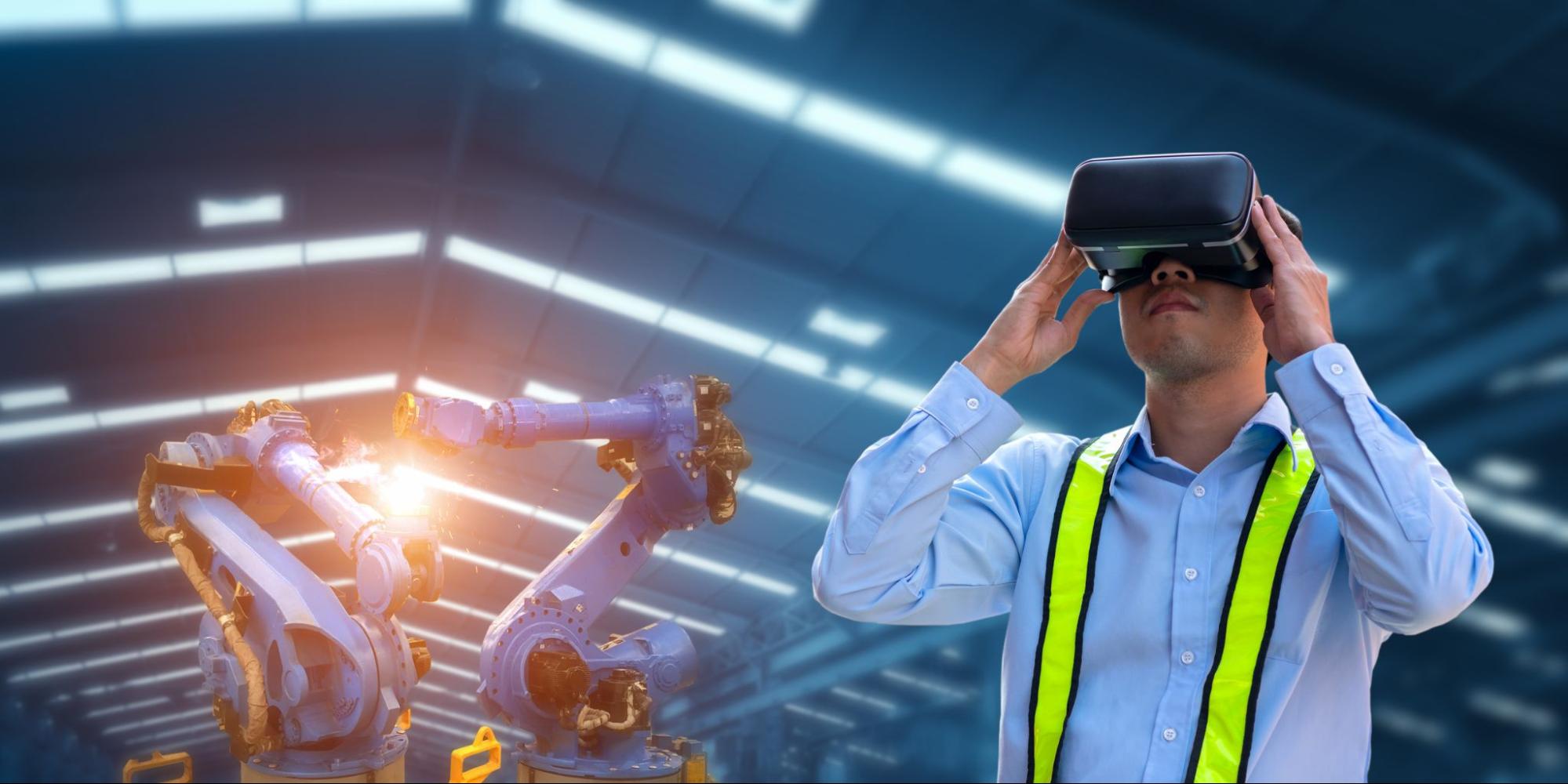
Beyond entertainment, VR has proven to be a valuable tool for training and simulation purposes. Industries such as aviation, healthcare, and military use VR to provide realistic training scenarios that help professionals enhance their skills in a safe and controlled environment. VR simulations can replicate complex scenarios, allowing trainees to practice and develop their expertise without the risks and costs associated with real-life situations.
Architecture and Design
In the field of architecture and design, VR has revolutionized the way professionals visualize and present their ideas. VR technology allows architects and designers to create virtual walkthroughs of their projects, giving clients and stakeholders a realistic preview of the final result. This immersive experience helps improve communication, streamline the design process, and ensure that all parties involved have a clear understanding of the project.
Social and Communication
VR has also opened up new possibilities for social interactions and communication. Virtual reality social platforms enable users to meet and interact with others from around the world in virtual spaces, fostering a sense of presence and connection. This technology has the potential to transform how we collaborate, socialize, and share experiences, bridging the gap between physical and virtual interactions.
As virtual reality technology continues to evolve and become more accessible, its impact on entertainment, training, design, and social interactions is set to grow even further. The immersive and interactive nature of VR has the potential to reshape our experiences and unlock new possibilities across various industries.


 digtimadminjorn