 digtimadminjorn
Introduction:
The advancements in technology have permeated our lives, transforming the way we live, work, and interact with our surroundings. One particular area that has witnessed significant progress is smart home technology. In this article, we explore the evolution of smart home technology and its impact on enhancing everyday living. Drawing insights from TechRadar, a trusted source for tech news, reviews, and buying guides, we delve into the latest innovations, benefits, and considerations in the realm of smart homes.
The Rise of Smart Home Technology:
Smart home technology refers to the integration of devices and systems that enable automation, remote control, and intelligent management of various functions within a home. From controlling lights and appliances to monitoring security and managing energy consumption, smart home technology offers convenience, efficiency, and improved quality of life.
Connectivity and Interoperability:
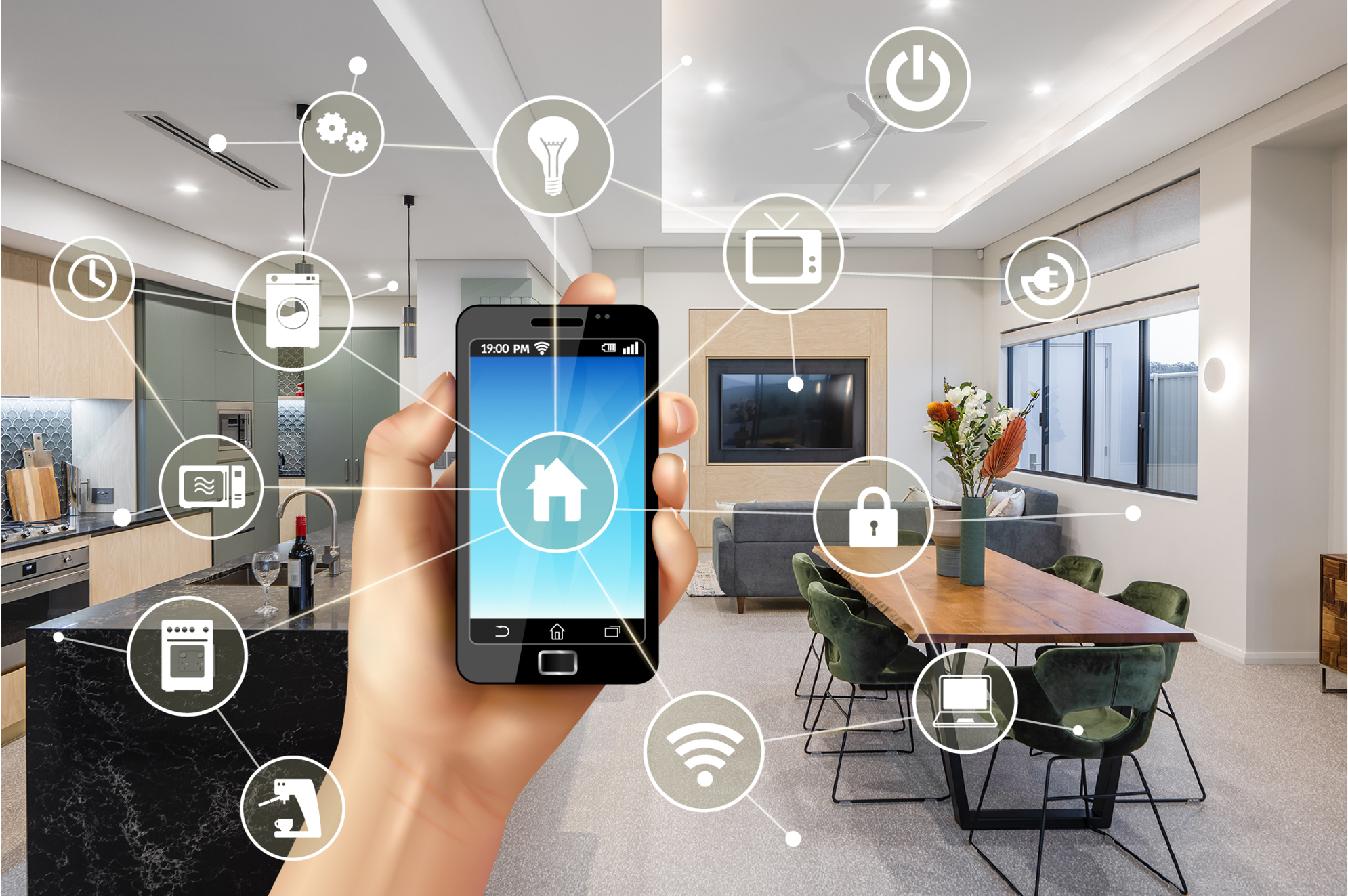
A key aspect of smart home technology is the seamless connectivity and interoperability between devices. With the advent of Internet of Things (IoT) technology, smart home devices can communicate with each other and be controlled remotely through a central hub or smartphone app. This interconnectedness enables users to create personalized and automated routines to suit their needs.
Home Security and Monitoring:
Smart home technology has revolutionized home security, providing homeowners with enhanced control and peace of mind. From smart doorbell cameras and motion sensors to smart locks and surveillance systems, these integrated solutions allow users to monitor their homes in real-time and receive alerts in case of any unusual activity. This level of security and monitoring offers a sense of safety and protection, even when away from home.
Energy Efficiency and Sustainability:
Another significant benefit of smart home technology is its contribution to energy efficiency and sustainability. Smart thermostats can optimize temperature settings based on occupancy and user preferences, resulting in energy savings. Additionally, smart lighting systems enable users to control and schedule lights, reducing energy consumption. These sustainable practices not only lower utility bills but also have a positive impact on the environment.
Voice Control and Artificial Intelligence:
The integration of voice assistants, such as Amazon Alexa and Google Assistant, has further enhanced the usability and convenience of smart home technology. Voice commands allow users to control various devices and systems, creating a hands-free and intuitive experience. Additionally, artificial intelligence (AI) algorithms enable smart home systems to learn user behavior and adapt settings accordingly, making homes more personalized and responsive to individual needs.
Considerations and Privacy:
While smart home technology offers numerous benefits, it is essential to consider privacy and data security. With interconnected devices collecting and sharing data, users should be mindful of the information being gathered and stored. It is crucial to choose reputable brands and ensure robust security measures are in place to protect personal data.
Conclusion:
The evolution of smart home technology has revolutionized the way we interact with our living spaces. From enhancing security and energy efficiency to offering personalized experiences through voice control and AI, smart homes have become an integral part of modern living. As technology continues to advance, we can expect further innovation and integration of smart home devices, creating a more connected and intelligent living environment.


 digtimadminjorn