 digtimadminjorn
Introduction
Imagine clothing that can do more than just keep you warm or stylish. Smart fabrics and textiles are revolutionizing the fashion and technology industries by merging the world of wearables with everyday apparel. These innovative materials are not only changing the way we dress but also how we interact with technology.
What Are Smart Fabrics and Textiles?
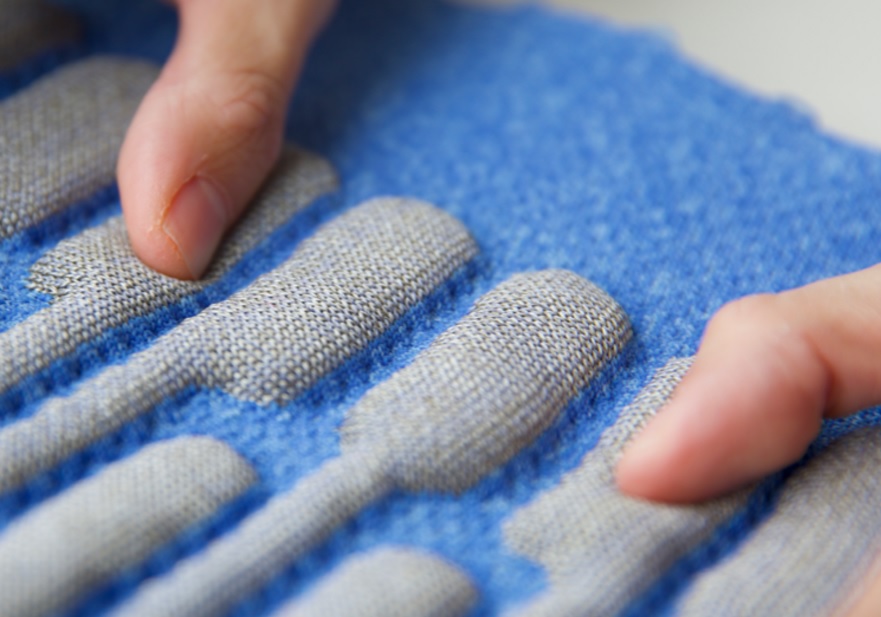
Smart fabrics and textiles are materials embedded with electronic components or conductive substances that enable them to interact with the wearer or the environment. These materials can sense, react to, or adapt to various conditions, making them versatile and multifunctional.
Key Features of Smart Fabrics
1. Sensing Capabilities: Smart fabrics can monitor various physiological and environmental parameters. For instance, they can measure body temperature, heart rate, and even detect environmental pollutants.
2. Connectivity: Many smart fabrics are designed to connect wirelessly to smartphones or other devices, allowing for real-time data monitoring and analysis.
3. Adaptive Properties: Some smart textiles can change their properties in response to external stimuli. For example, they can adjust their insulation properties based on temperature changes.
Applications of Smart Fabrics and Textiles
- Healthcare: Smart fabrics are used in medical wearables, such as shirts that monitor vital signs for patients with chronic illnesses.
- Fitness: Sportswear with embedded sensors can track athletes’ performance and provide instant feedback.
- Fashion: Designers are incorporating smart textiles into high-end fashion, creating garments that light up or change color in response to stimuli.
- Military and Defense: Smart textiles are used in uniforms that can monitor soldiers’ health and provide situational awareness.
- Environmental Monitoring: Fabrics with pollution sensors can help monitor air quality in urban areas.
Challenges and Future Outlook
While smart fabrics hold great promise, several challenges remain. These include durability, washability, and affordability. Researchers are actively working on addressing these issues to make smart textiles more accessible to the general public.
The future of smart fabrics is exciting. As technology advances, we can expect even more innovative applications. Imagine clothing that can change its appearance or function with a tap on your smartphone or garments that can adapt to different weather conditions automatically.
In conclusion, smart fabrics and textiles represent a groundbreaking fusion of fashion and technology. Their potential to enhance our daily lives and revolutionize industries is just beginning to unfold.


 digtimadminjorn