 digtimadminjorn
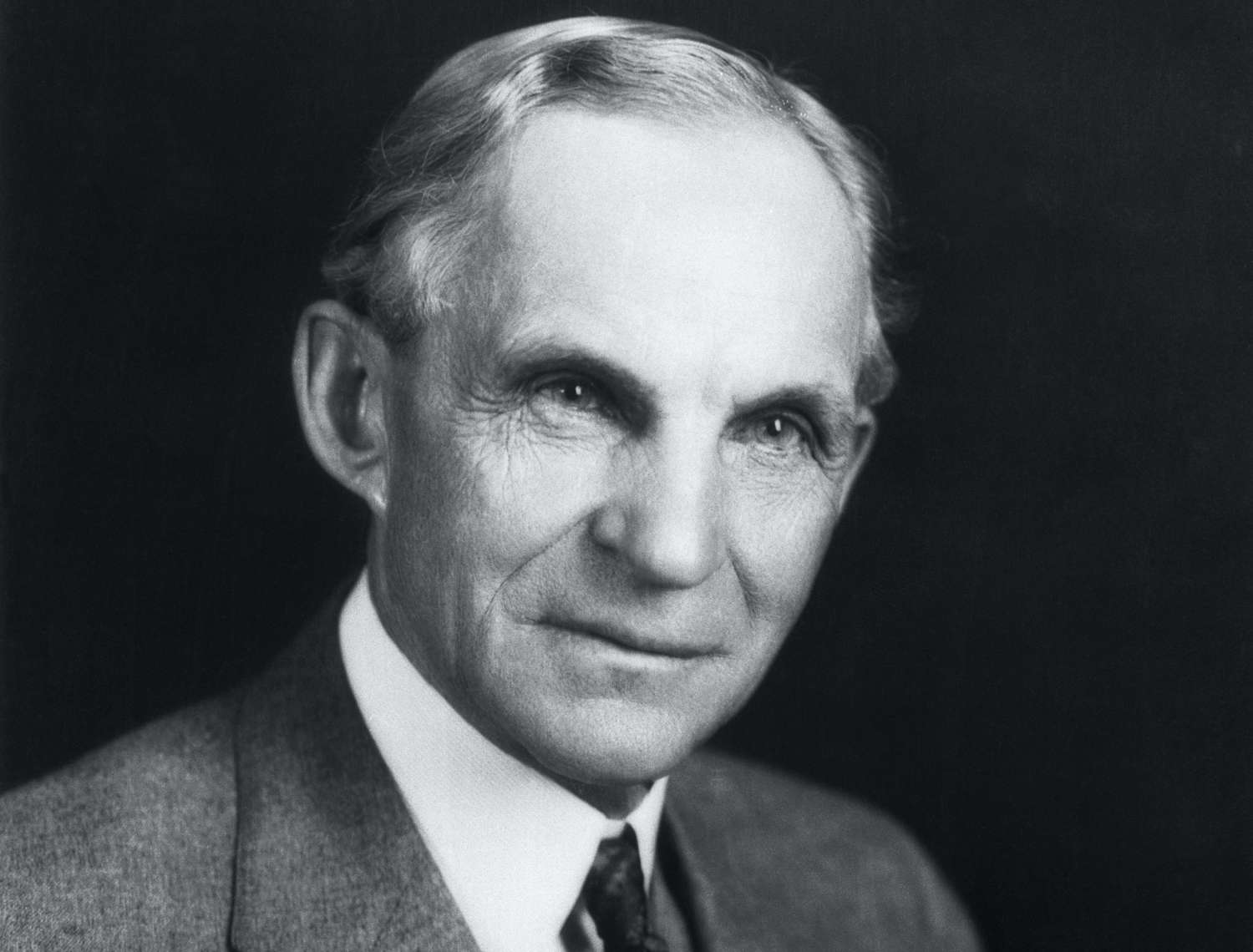
Henry Ford, a name synonymous with innovation and industrial revolution, played a pivotal role in shaping the modern world through his revolutionary ideas and visionary approach to manufacturing. As the founder of Ford Motor Company, he transformed the automotive industry and made automobiles accessible to the masses, forever changing the way we live and work.
Born on July 30, 1863, in a rural farming community in Michigan, Henry Ford grew up with a natural curiosity and a knack for tinkering with machines. His fascination with mechanics led him to pursue a career in engineering, which eventually paved the way for his groundbreaking contributions to the automotive industry.
In 1903, Henry Ford established the Ford Motor Company with the ambition of creating affordable, reliable, and efficient automobiles for the average American. At the time, automobiles were considered a luxury item, accessible only to the wealthy. However, Ford had a grand vision to produce vehicles that would revolutionize transportation and change the socioeconomic landscape of the nation.
One of Ford’s most significant contributions was the introduction of the assembly line manufacturing process. He recognized that mass production techniques could be applied to automobile manufacturing, drastically reducing production time and costs. In 1913, Ford introduced the moving assembly line, where workers stayed in one place as the product moved along the line, allowing for faster and more efficient production. This innovation not only increased productivity but also reduced the price of automobiles, making them affordable for the average American family.
Ford’s Model T, introduced in 1908, became an iconic symbol of the automobile industry. With its simplicity, durability, and affordability, the Model T became the first truly mass-produced automobile, and by 1918, half of all cars in America were Model Ts. Ford’s commitment to cost reduction was remarkable, as he implemented various techniques to streamline production, including interchangeable parts and vertical integration.
Furthermore, Ford recognized the importance of paying his workers fair wages to ensure a stable and loyal workforce. In 1914, he famously introduced the $5 per day wage, doubling the average industrial wage at the time. This move not only reduced employee turnover but also allowed Ford’s workers to afford the very cars they were producing. It had a profound impact on the overall economy, as the increased wages created a larger consumer base that could purchase goods and services.
Henry Ford’s influence extended beyond the automotive industry. He believed in innovation and progress, constantly seeking ways to improve efficiency and quality. His revolutionary ideas set the foundation for modern manufacturing techniques and inspired generations of entrepreneurs and engineers.
Moreover, Ford’s passion for innovation extended to other areas as well. In the 1920s, he established the Fordson tractor division, which revolutionized farming practices and helped increase agricultural productivity. He also experimented with alternative fuel sources, such as soybeans, and supported research on biofuels.
Despite his significant contributions, Ford faced criticism for his controversial views and business practices. His association with anti-Semitic literature and his opposition to labor unions tarnished his public image. However, it is essential to acknowledge his lasting impact on the automotive industry and his contributions to industrialization.
Henry Ford’s legacy continues to influence the world today. His pioneering work in mass production and assembly line manufacturing set the stage for the modern manufacturing industry. His commitment to innovation, affordability, and fair wages transformed the automobile from a luxury item to a necessity for everyday life.
In conclusion, Henry Ford’s contributions to the automotive industry and his revolutionary ideas have left an indelible mark on the world. Through his innovative approach to manufacturing, he made automobiles accessible to the masses, revolutionizing transportation and shaping the modern world. His legacy as a visionary and industrialist serves as an inspiration for generations to come.


 digtimadminjorn