 digtimadminjorn
Introduction:
In the era of rapid technological advancements, biometric payment systems have emerged as a groundbreaking solution that combines cutting-edge technology and security to reshape the way we make transactions. With the ability to provide a seamless and secure user experience, biometric payment systems are poised to revolutionize the future of financial transactions.
The Essence of Biometric Payment Systems:
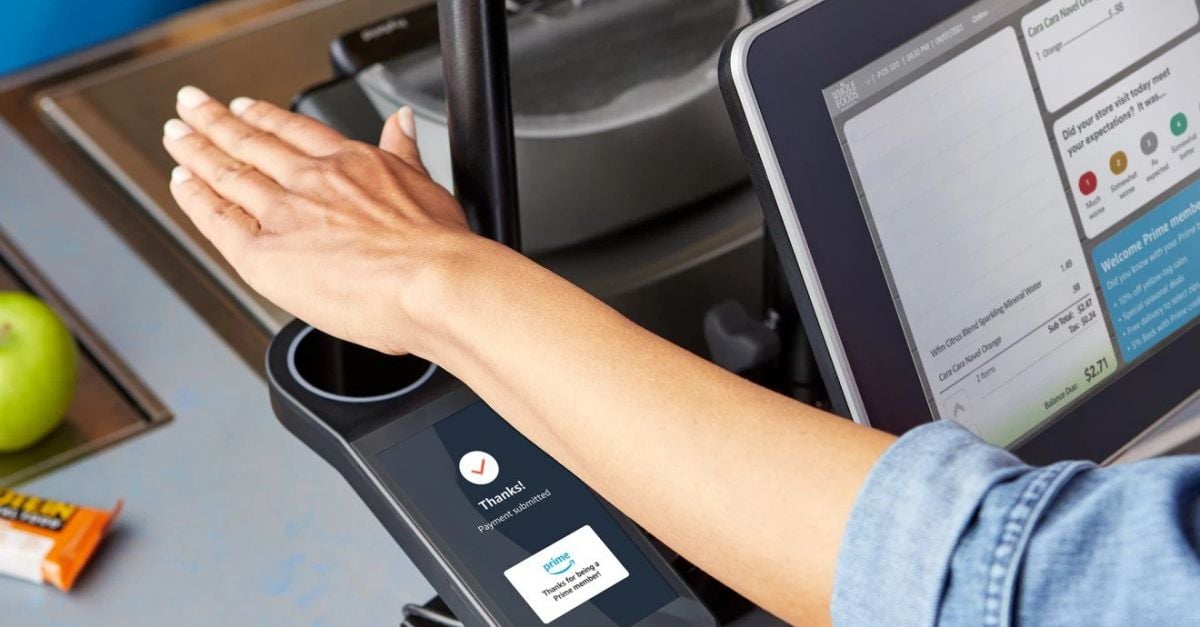
Biometric payment systems utilize unique physical and behavioral traits of individuals to verify their identity and facilitate transactions. This technology offers a multifaceted approach to authentication, relying on traits like fingerprints, facial recognition, voice patterns, iris scans, and even heartbeat rhythms. By employing these biological markers, biometric payment systems ensure a higher level of security and convenience compared to traditional methods.
Enhancing Security and Preventing Fraud:
One of the primary reasons for the growing interest in biometric payment systems is their unmatched security features:
Personalized Authentication: Biometrics are extremely difficult to replicate, providing a strong layer of protection against identity theft and fraud.
Multi-Factor Authentication: By combining different biometric factors, such as facial recognition and fingerprint scans, these systems offer multi-layered security, making unauthorized access nearly impossible.
Real-time Verification: Biometric payment systems perform real-time verification of users’ identities, reducing the risk of unauthorized transactions and preventing fraudulent activities.
Convenience Redefined:
Biometric payment systems not only enhance security but also introduce a new level of convenience:
Seamless User Experience: Users can authorize transactions by simply using their biometric traits, eliminating the need to remember passwords or carry physical cards.
Speed and Efficiency: Biometric verification is lightning-fast, minimizing wait times during checkout and enabling swift and efficient transactions.
Inclusion and Accessibility: This technology is particularly beneficial for individuals who have difficulty using traditional payment methods, such as those with physical disabilities.
The Path Forward:
As biometric payment systems continue to evolve, their adoption is expected to increase across various industries:
Retail and E-commerce: Biometric payment systems can streamline the checkout process for both in-store and online purchases, enhancing user experience and reducing cart abandonment rates.
Banking and Financial Services: Banks and financial institutions are integrating biometric authentication for account access and transactions, ensuring secure banking experiences for customers.
Smartphones and Wearables: Many modern smartphones and wearable devices already support biometric payment methods, enabling users to make transactions with a simple touch or glance.
Conclusion:
Biometric payment systems represent the convergence of security, technology, and user convenience. As these systems continue to advance and gain traction, they are reshaping the way we interact with our finances and conduct transactions. With their potential to prevent fraud, enhance security, and simplify the payment process, biometric payment systems are poised to transform the future of secure financial transactions.


 digtimadminjorn