 digtimadminjorn
Introduction:
Biohacking devices are on the forefront of a revolution that merges technology and biology, offering individuals the ability to monitor, track, and optimize their health in unprecedented ways. This article delves into the world of biohacking devices, shedding light on how these innovative technologies are reshaping the landscape of personalized health and wellness.
The Rise of Biohacking:
Biohacking refers to the practice of using technology and science to optimize one’s body and mind. While it might sound futuristic, biohacking has gained significant momentum thanks to advancements in wearables, sensors, and other cutting-edge technologies. These devices empower users to gather real-time data about their health, allowing for more informed decisions and lifestyle changes.
Monitoring Vital Signs:
Biohacking devices enable individuals to monitor vital signs like heart rate, blood pressure, and even stress levels. Wearable devices, such as smartwatches and fitness trackers, have evolved to offer accurate and continuous monitoring of these metrics. This data helps users gain insights into their overall well-being and make informed choices regarding their health and fitness routines.
Nutritional Optimization:
Some biohacking devices are designed to analyze users’ nutritional intake and metabolism. These devices can provide personalized recommendations for diet and supplementation, optimizing nutrient intake to meet individual needs and goals.
Sleep Tracking:
Quality sleep is crucial for overall health. Biohacking devices equipped with sleep-tracking capabilities help users understand their sleep patterns, identify disruptions, and make adjustments to improve sleep quality and duration.
Brain Health:
Neurofeedback devices, often used for brain training, allow users to monitor and improve their cognitive functions. These devices can help users enhance focus, memory, and overall brain performance through targeted exercises and feedback.
Implantable Technologies:
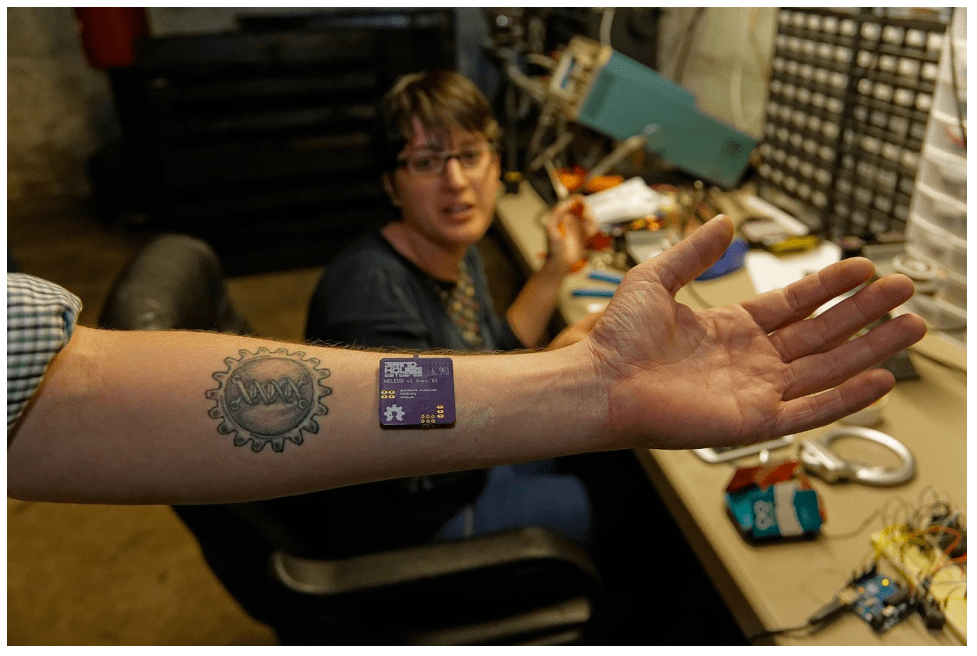
While still in its early stages, the world of biohacking is exploring implantable devices that integrate with the human body. These devices can range from microchips that unlock doors with a wave of a hand to more advanced implants that monitor glucose levels in diabetics or offer enhanced sensory perception.
Ethical Considerations:
As biohacking devices become more sophisticated, ethical concerns also arise. Issues related to data privacy, consent, and potential health risks need to be carefully addressed to ensure that users’ well-being and rights are respected.
The Future of Healthcare:
Biohacking devices have the potential to democratize healthcare by putting health data and insights directly into the hands of individuals. By actively participating in their own health management, people can take proactive steps to prevent illness and optimize their well-being.
Conclusion:
Biohacking devices represent a groundbreaking intersection of technology and human biology, providing tools for individuals to become more in tune with their bodies and take control of their health. As these devices continue to evolve, they hold the promise of a future where personalized health and wellness are within everyone’s reach.


 digtimadminjorn