 digtimadminjorn
Introduction:
Autonomous robots are revolutionizing various industries by combining cutting-edge technology with advanced automation capabilities. These intelligent machines have the ability to perform tasks with minimal human intervention, making them valuable assets in fields such as manufacturing, logistics, healthcare, and more. This article delves into the world of autonomous robots, exploring their applications, benefits, and the transformative impact they have on various sectors.
Enhanced Efficiency and Productivity:
Autonomous robots are designed to perform repetitive tasks with precision and speed. By taking over mundane and labor-intensive activities, they free up human workers to focus on more complex and creative tasks. With their ability to operate 24/7 without fatigue, autonomous robots significantly enhance productivity, streamlining operations and increasing efficiency in various industries.
Increased Safety and Reliability:
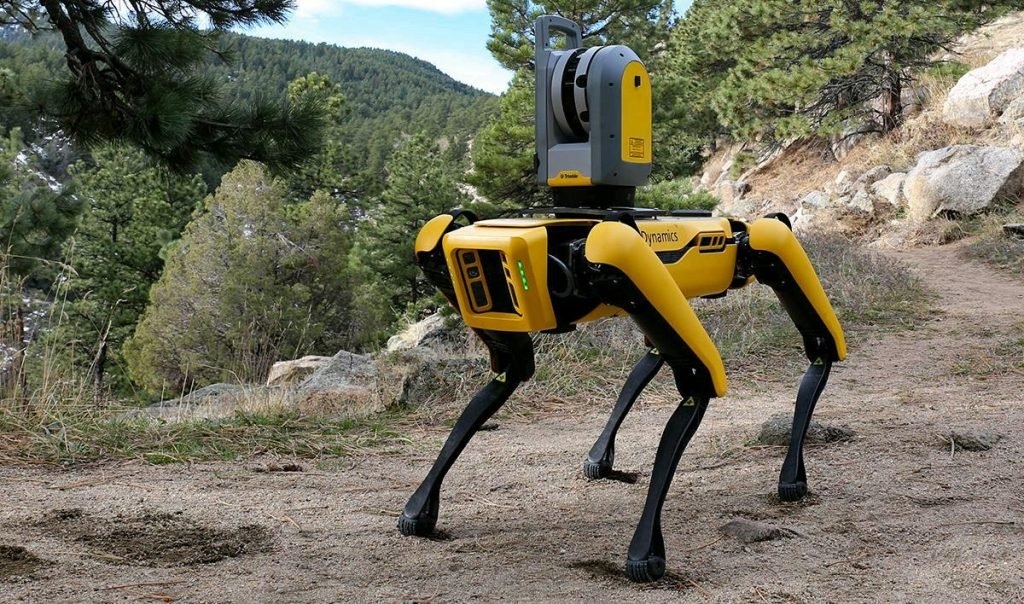
One of the key advantages of autonomous robots is their ability to operate in hazardous environments or perform tasks that may pose risks to human workers. Whether it’s handling toxic substances, working in extreme temperatures, or navigating treacherous terrains, these robots are equipped with sensors, cameras, and advanced algorithms that enable them to adapt and operate safely in challenging conditions.
Precision and Accuracy:
Autonomous robots are known for their exceptional precision and accuracy. With their advanced sensors and algorithms, they can perform tasks with high levels of consistency and reliability, reducing errors and minimizing waste. From manufacturing and assembly processes to surgical procedures and quality control inspections, autonomous robots bring a new level of precision to various industries.
Versatility and Adaptability:
Autonomous robots come in various forms and sizes, each tailored to specific tasks and environments. From robotic arms in factories to drones for surveillance and delivery, these robots can be programmed and configured to perform a wide range of functions. Their versatility and adaptability make them valuable assets in addressing evolving needs and challenges across different industries.
Transforming Industries:
The integration of autonomous robots is transforming industries in remarkable ways. In manufacturing, they enable faster and more efficient production lines. In logistics and warehousing, they optimize inventory management and streamline order fulfillment. In healthcare, they assist in surgeries, patient care, and medical research. The applications are vast, and the potential for innovation is boundless.
Conclusion:
Autonomous robots are at the forefront of technological advancement, reshaping industries and revolutionizing the way we work. With their ability to enhance efficiency, increase safety, and deliver precision, these intelligent machines offer countless benefits across various sectors. As technology continues to evolve, autonomous robots will play an increasingly integral role in driving automation and unlocking new possibilities for a more productive and sustainable future.


 digtimadminjorn