 digtimadminjorn
Introduction:
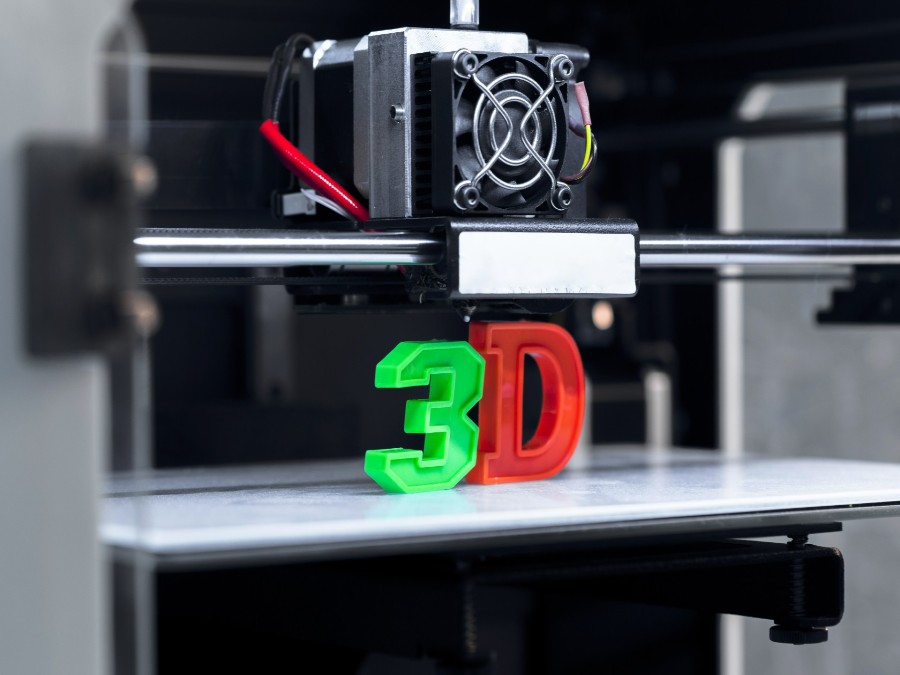
3D printing, also known as additive manufacturing, is a transformative technology that has gained significant attention in recent years. This article explores the exciting world of 3D printing, its applications across industries, and the potential it holds for the future of manufacturing and beyond.
The Power of 3D Printing:
3D printing enables the creation of physical objects by adding layers of material based on a digital design. This technology has revolutionized traditional manufacturing processes by offering numerous advantages such as increased design freedom, reduced waste, faster prototyping, and on-demand production capabilities.
Applications across Industries:
- Manufacturing: 3D printing is reshaping traditional manufacturing processes by allowing companies to produce complex components and customized products with greater efficiency and precision. Industries such as automotive, aerospace, and healthcare are utilizing 3D printing to streamline production, reduce costs, and enhance product performance.
- Healthcare: The medical field has witnessed remarkable advancements through 3D printing. It has enabled the production of personalized implants, prosthetics, and surgical models, leading to improved patient care, better outcomes, and enhanced medical training.
- Architecture and Construction: 3D printing is being explored as a means of constructing buildings and infrastructure with greater speed and flexibility. This technology has the potential to revolutionize the construction industry by reducing costs, optimizing designs, and allowing for intricate structures that were previously challenging to achieve.
- Education and Research: 3D printing is increasingly integrated into educational institutions and research laboratories, enabling students and researchers to bring their ideas to life and experiment with innovative concepts. It fosters creativity, hands-on learning, and drives breakthroughs in various fields.
The Future of 3D Printing:
As the technology continues to advance, several exciting possibilities emerge:
- Mass Customization: 3D printing enables cost-effective customization on a large scale, allowing products to be tailored to individual needs and preferences. This can lead to more personalised consumer goods, improved product functionality, and enhanced customer satisfaction.
- Sustainable Manufacturing: 3D printing has the potential to reduce material waste and energy consumption compared to traditional manufacturing methods. It enables more efficient use of resources, promotes recycling, and supports sustainable production practices.
- Bioprinting: Bioprinting, a branch of 3D printing, focuses on the creation of living tissues and organs. This field has immense potential in revolutionizing regenerative medicine, drug testing, and transplantation procedures, offering hope for patients in need of organ replacements.
Conclusion:
3D printing is transforming the way we design, manufacture, and interact with physical objects. Its applications span across industries, from manufacturing and healthcare to architecture and education. As the technology continues to evolve, we can expect even greater advancements in customization, sustainability, and bioprinting. The potential for innovation and positive impact on various sectors is immense, and 3D printing is set to reshape the future of manufacturing and beyond.


 digtimadminjorn