 digtimadminjorn
Introduction
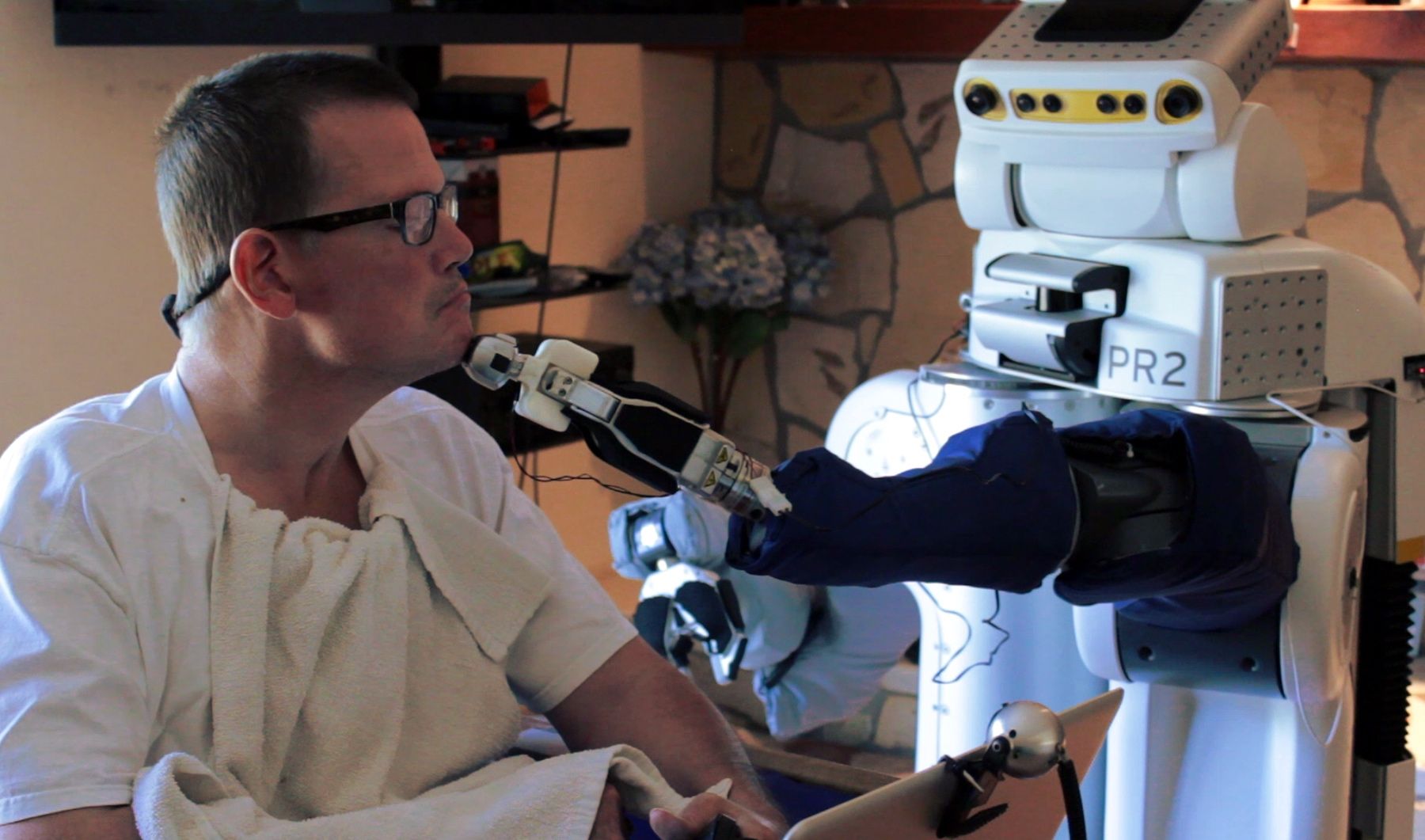
In the realm of technology, few innovations have the potential to be as transformative and empowering as assistive robotic devices. These remarkable machines are changing the lives of individuals with disabilities, the elderly, and those facing mobility challenges by providing newfound independence and improving the overall quality of life. This article explores the burgeoning field of assistive robotic devices and their profound impact on individuals and society.
The Rise of Assistive Robotic Devices
The concept of using technology to assist individuals with disabilities dates back several decades. However, recent advancements in robotics, artificial intelligence, and materials science have propelled assistive devices into a new era. Today’s assistive robots are more sophisticated, adaptable, and user-friendly than ever before.
Types of Assistive Robotic Devices
Assistive robotic devices encompass a wide range of applications and functionalities:
- Mobility Devices: Powered wheelchairs and exoskeletons provide mobility to individuals with limited or no use of their legs, enabling them to stand, walk, and navigate their surroundings.
- Prosthetic Limbs: Advanced robotic prosthetics offer greater dexterity and natural movement, allowing users to perform complex tasks with ease.
- Communication Aids: Speech-generating devices and eye-tracking technology enable non-verbal individuals to communicate effectively.
- Smart Home Assistants: Voice-activated assistants like Amazon’s Alexa and Google Home enhance the independence of people with mobility or cognitive impairments by controlling household functions and providing information.
- Sensory Augmentation Devices: These devices can restore or augment sensory perception, such as cochlear implants for hearing-impaired individuals.
- Cognitive Assistance Robots: Designed to assist people with cognitive impairments, these robots offer reminders for medication, appointments, and daily tasks.
How Assistive Robotic Devices Work
Assistive robotic devices leverage cutting-edge technology:
- Artificial Intelligence (AI): AI algorithms enable these devices to adapt to users’ needs and preferences over time. Machine learning allows for predictive capabilities, improving the user experience.
- Sensors: Robotic devices are equipped with an array of sensors, including cameras, accelerometers, and gyroscopes, which provide critical data for navigation and interaction.
- Human-Machine Interaction: Intuitive interfaces, gesture recognition, and natural language processing facilitate seamless communication between users and their robotic aids.
Benefits and Impact
The benefits of assistive robotic devices are profound:
- Independence: These devices empower users to perform tasks and activities they might otherwise find challenging or impossible.
- Improved Quality of Life: Assistive robots enhance daily living, allowing individuals to engage more fully in work, education, social activities, and hobbies.
- Reduced Caregiver Burden: By automating certain tasks, these devices can ease the burden on caregivers and family members, providing peace of mind.
- Inclusion: Assistive technology fosters greater inclusion and participation in society for individuals with disabilities.
Challenges and Future Directions
While the potential of assistive robotic devices is immense, challenges remain. These include affordability, accessibility, and the need for further research to refine these technologies. Additionally, ethical considerations around privacy and data security must be addressed.
Conclusion
Assistive robotic devices represent a beacon of hope for millions of individuals worldwide. They embody the incredible possibilities that arise when technology is harnessed for the betterment of humanity. As these devices continue to evolve and become more accessible, we move closer to a world where disabilities no longer define one’s limitations, but where technology empowers every individual to live life to the fullest.


 digtimadminjorn