 digtimadminjorn
Introduction:
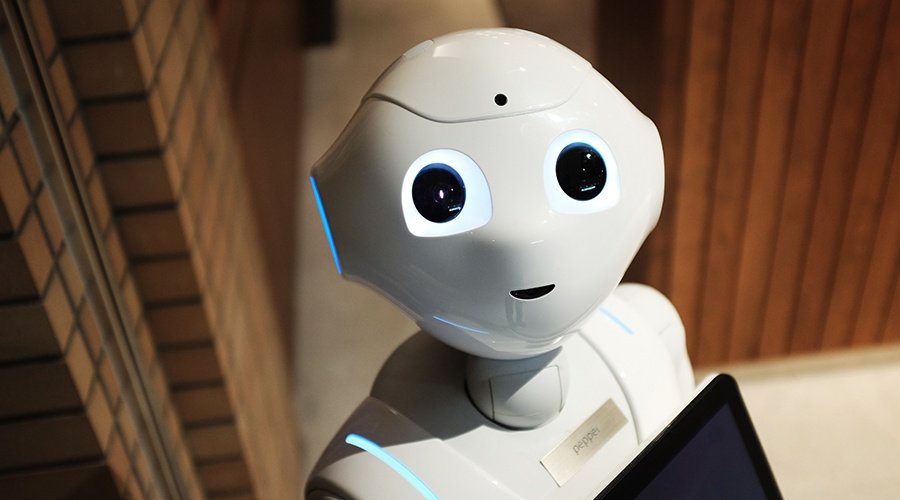
Humanoid robots, the cutting-edge creations of technology, have captured the imagination of scientists, engineers, and enthusiasts alike. These remarkable machines, designed to resemble humans in appearance and behavior, hold tremendous potential for various industries and fields. In this article, we delve into the world of humanoid robots, exploring their advancements, applications, and the potential impact they may have on our society.
Advancements in Humanoid Robotics:
Over the years, significant advancements have been made in the field of humanoid robotics. From improvements in artificial intelligence and machine learning algorithms to breakthroughs in materials and sensor technologies, researchers and engineers have been able to create robots that closely mimic human movements and interactions. These advancements have paved the way for a range of exciting applications.
Applications in Various Industries:
Humanoid robots find applications across a diverse range of industries. In healthcare, they can assist in patient care, perform complex surgeries, and provide companionship to the elderly. In manufacturing, they can enhance productivity by automating repetitive tasks and working alongside human workers. In the field of entertainment, humanoid robots can captivate audiences with their lifelike movements and performances. Additionally, they have potential applications in education, research, and even space exploration.
Implications for Society:
While humanoid robots offer numerous benefits, they also raise important questions and considerations. The widespread adoption of humanoid robots may impact the job market, with automation potentially replacing certain roles. Ethical concerns related to the interaction between robots and humans, privacy and security issues, and the potential for misuse of humanoid robots are topics that require thoughtful examination and regulation.
Future Outlook:
As technology continues to advance, the capabilities and applications of humanoid robots are likely to expand further. With ongoing research and development, we can expect to see even more sophisticated robots that can perform intricate tasks and interact with humans in increasingly complex ways. However, it is essential to approach the integration of humanoid robots into our society with caution and ensure that ethical and societal considerations are adequately addressed.
Conclusion:
Humanoid robots represent a fascinating and rapidly evolving field of technology. With their ability to mimic human movements and behavior, they hold significant potential for revolutionizing industries and enhancing various aspects of our lives. While we embrace the advancements and opportunities presented by humanoid robots, it is crucial to navigate their integration with thoughtful deliberation, ensuring that they serve the betterment of society.


 digtimadminjorn