 digtimadminjorn
Introduction:
Augmented Reality (AR) has transcended the realm of entertainment and is now reshaping the way we navigate and interact with our surroundings. AR-powered navigation offers an exciting blend of real-world environments and digital information, transforming the way we find our way in unfamiliar places. This article delves into the concept of AR-powered navigation, its applications, and the potential it holds for revolutionizing how we explore the world.
The Essence of AR-Powered Navigation:
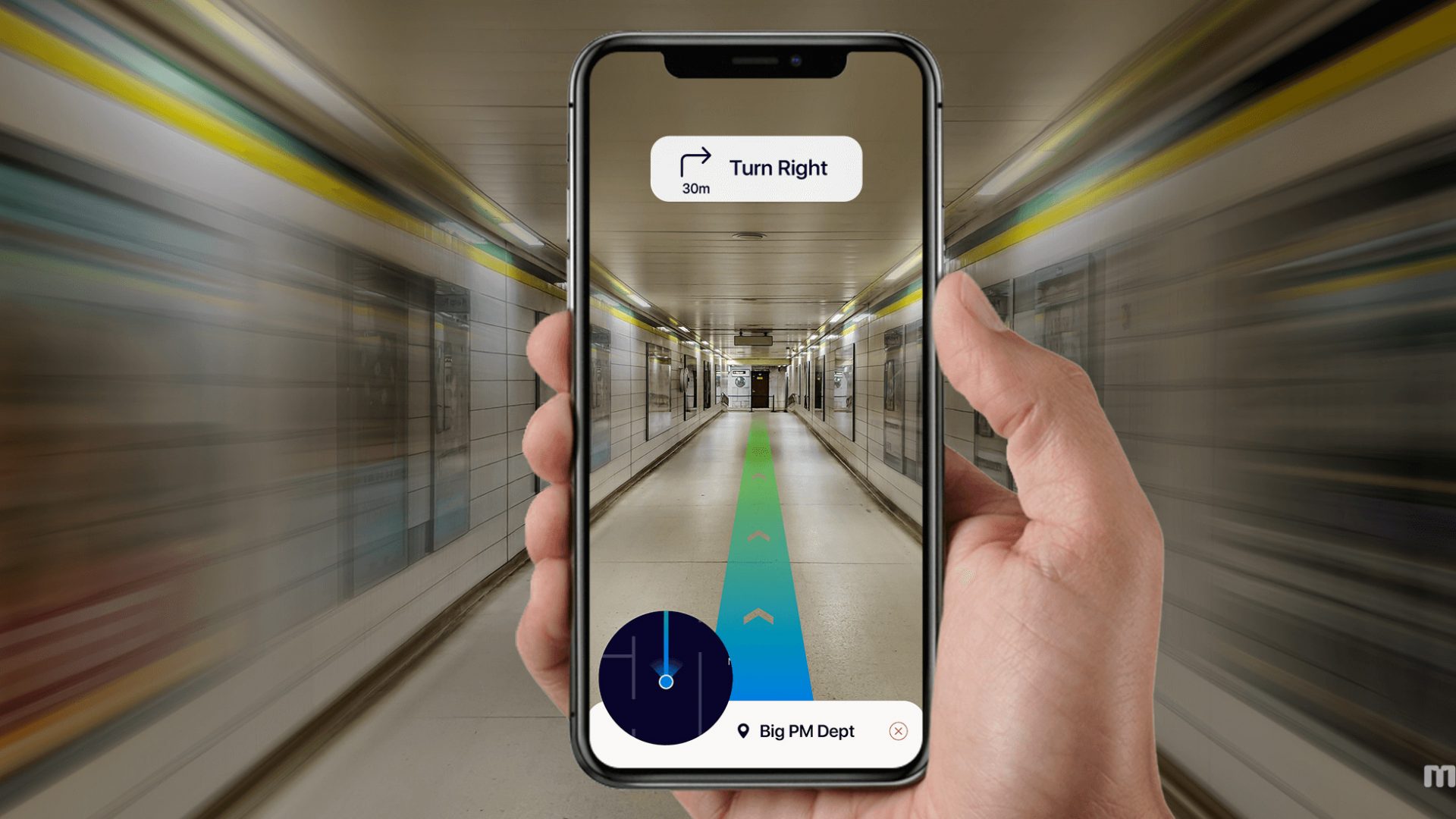
AR-powered navigation merges real-time information with the user’s physical surroundings. Through a device’s camera, AR overlays digital elements onto the real world, providing users with enhanced context and guidance. Instead of following a static map, users can follow dynamic AR markers, paths, and indicators, making navigation more intuitive and engaging.
How AR-Powered Navigation Works:
- Geolocation: AR-powered navigation relies on geolocation technology to accurately position the user in their environment. GPS data helps anchor the AR elements to the user’s location.
- Visual Recognition: The system uses visual recognition to identify landmarks, streets, and points of interest. This data is then used to overlay relevant information onto the user’s field of view.
- AR Overlays: AR overlays can include directional arrows, labels, and other visual cues that guide users towards their destination. These overlays are superimposed on the real-world view captured by the device’s camera.
Applications in Various Industries:
- Tourism and Travel: AR-powered navigation enhances tourists’ experiences by providing interactive and informative overlays about historical sites, landmarks, and attractions as they explore new places.
- Navigation Assistance: Pedestrians, cyclists, and drivers can benefit from AR-powered navigation that offers real-time directions, helping them navigate complex urban environments.
- Indoor Navigation: AR-powered navigation can be applied indoors, guiding users through shopping malls, airports, museums, and other large indoor spaces.
- Education and Training: AR-powered navigation can serve as a valuable tool for training scenarios, allowing trainees to navigate simulated environments and learn about safety procedures.
- Emergency Situations: In emergencies, AR-powered navigation can provide evacuation routes and crucial information to help people safely navigate to exits.
Benefits and Challenges:
Benefits:
- Enhanced user experience with real-time, context-aware information.
- More intuitive and user-friendly than traditional maps.
- Opens up possibilities for interactive storytelling and gamification.
Challenges:
- Ensuring accuracy of geolocation data for precise navigation.
- Balancing the display of information without overwhelming users.
- Addressing privacy concerns related to location data.
The Future of AR-Powered Navigation:
As technology continues to advance, AR-powered navigation holds great promise for revolutionizing how we explore and interact with our environment. This technology has the potential to seamlessly integrate into our daily lives, providing personalized guidance, educational opportunities, and enhancing the way we perceive and interact with the world around us.
Conclusion:
AR-powered navigation represents a pivotal moment in the evolution of navigation technology. By blending the physical and digital worlds, it offers a novel and dynamic way to navigate, explore, and discover. As research and development in augmented reality continue, we can anticipate even more innovative applications and a future where AR-powered navigation becomes an integral part of our daily journeys.


 digtimadminjorn