 digtimadminjorn
Introduction:
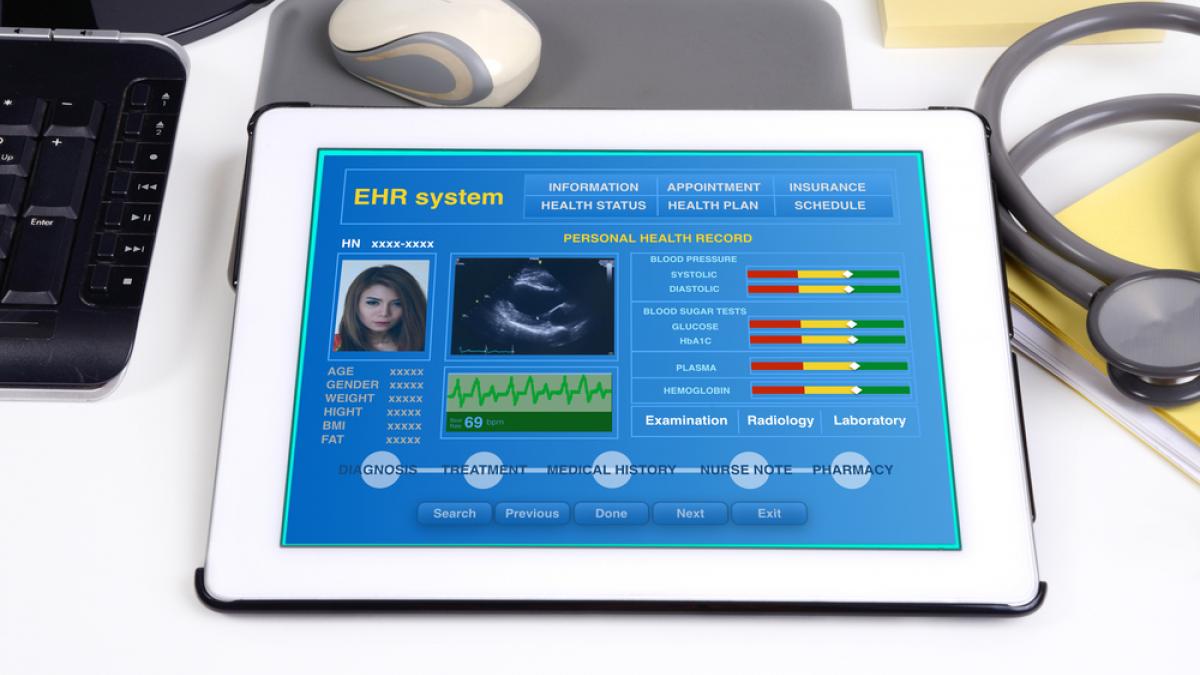
In an era defined by technological advancements, the healthcare sector has not remained untouched. One of the most significant digital innovations in healthcare is the Electronic Health Record (EHR) system. EHRs are revolutionizing the way patient information is managed, stored, and shared, promising improved patient care, streamlined processes, and enhanced data security.
Digital Evolution of Patient Records:
Gone are the days of paper-based patient records that were prone to errors, lost or misplaced, and difficult to access. EHRs digitize patient medical histories, treatment plans, lab results, prescriptions, and more, offering a comprehensive and accurate overview of a patient’s health journey.
Benefits of EHRs:
Enhanced Accessibility: EHRs allow authorized healthcare professionals to access patient information in real-time, irrespective of their physical location. This quick access to medical data aids in better decision-making and faster patient care.
Improved Patient Safety: EHRs reduce the chances of medical errors caused by illegible handwriting or misplaced records. Medication errors, allergies, and adverse reactions are flagged, ensuring patient safety.
Efficient Coordination: EHRs facilitate seamless communication among healthcare providers, enabling better coordination of care plans. Specialists can easily access relevant information, leading to more informed consultations.
Data Analytics: EHRs contribute to the accumulation of a vast amount of medical data. Analyzing this data helps identify trends, patterns, and potential epidemics, guiding healthcare policies and research.
Patient Empowerment: Patients can access their EHRs, fostering an active role in their healthcare management. They can review their medical history, lab results, and treatment plans, leading to better engagement and understanding.
Challenges and Considerations:
While EHRs offer numerous benefits, their implementation comes with challenges. Data security and privacy concerns are paramount, requiring stringent measures to protect sensitive patient information. Interoperability, ensuring different EHR systems can communicate with each other, remains a challenge for seamless data sharing.
Future Outlook:
As technology continues to evolve, so does the potential of EHRs. Integration with wearable devices and Internet of Things (IoT) technologies could provide real-time health data, enabling proactive interventions. Furthermore, artificial intelligence and machine learning can analyze EHRs to predict disease trends and personalize treatment plans.
Conclusion:
Electronic Health Records are transforming the healthcare landscape, ushering in an era of efficiency, accuracy, and patient-centric care. By digitizing patient information and enabling secure data exchange, EHRs lay the foundation for a technologically advanced healthcare system. As the world embraces digital innovation, EHRs stand as a testament to the positive impact technology can have on improving patient outcomes and healthcare processes.


 digtimadminjorn