 digtimadminjorn
Introduction:
In the ever-evolving landscape of the technology industry, few companies have experienced the highs and lows that Nokia has endured. From dominating the mobile phone market to facing intense competition and setbacks, Nokia’s journey is a testament to resilience, adaptability, and innovation. This article explores Nokia’s transformation over the years and its ongoing pursuit of reestablishing itself as a global technology leader.
A Legacy of Mobile Dominance:
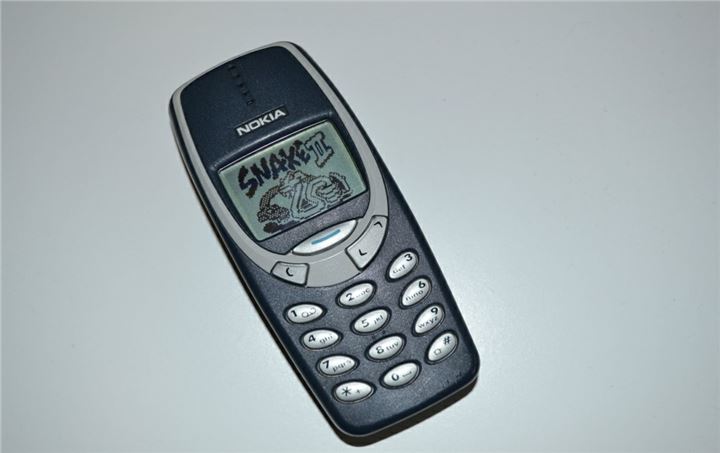
Founded in 1865 as a pulp mill in Finland, Nokia initially ventured into various industries before entering the telecommunications sector. In the late 20th century, Nokia became synonymous with mobile phones. The company revolutionized the industry, introducing iconic models like the Nokia 3310, which became a cultural phenomenon. Nokia’s robust hardware, user-friendly interfaces, and reliability propelled it to the top, capturing over 40% of the global mobile phone market by 2008.
Challenges and Transition:
The advent of smartphones and the rise of competitors like Apple and Samsung disrupted Nokia’s reign. Despite early successes with the Nokia N95 and E71, the company struggled to adapt quickly to the changing landscape. A significant misstep was Nokia’s reliance on its proprietary Symbian operating system, which lagged behind the user experience offered by newer platforms like Apple’s iOS and Google’s Android.
Recognizing the need for change, Nokia embarked on a strategic partnership with Microsoft in 2011, adopting the Windows Phone platform. However, this transition proved to be a challenging period for the company, as it faced criticism for its lack of app ecosystem and struggled to regain market share. In 2014, Nokia sold its handset division to Microsoft, signaling a major shift in its business strategy.
A New Beginning:
Following the sale of its handset division, Nokia reinvented itself as a network infrastructure provider, leveraging its expertise in telecommunications. The acquisition of Alcatel-Lucent in 2016 further strengthened Nokia’s position in the industry. The company focused on developing cutting-edge technologies such as 5G, cloud-based solutions, and the Internet of Things (IoT).
Nokia’s commitment to innovation and research and development resulted in significant advancements in network infrastructure. It played a vital role in deploying 5G networks worldwide, empowering industries such as autonomous vehicles, healthcare, and smart cities. Nokia’s end-to-end solutions and expertise in network security have made it a trusted partner for telecom operators and enterprises globally.
Future Outlook:
In recent years, Nokia has made concerted efforts to reenter the consumer market, especially in the smartphone segment. The company has collaborated with HMD Global, a Finnish startup, to release Android-based smartphones carrying the Nokia brand. These devices emphasize the company’s design heritage, durability, and commitment to regular software updates, resonating with consumers seeking a reliable and secure mobile experience.
Moreover, Nokia has expanded its portfolio to include other emerging technologies such as virtual reality (VR) and digital health products. By diversifying its offerings, Nokia aims to capitalize on the growing demand for connected devices and services.
Conclusion:
Nokia’s journey from a pioneering mobile phone manufacturer to a network infrastructure provider reflects its ability to adapt to changing market dynamics. While facing significant challenges, the company has demonstrated resilience and innovation, leveraging its expertise in telecommunications to remain relevant in a rapidly evolving industry. With its strong focus on 5G, IoT, and emerging technologies, Nokia is poised to play a crucial role in shaping the future of connectivity and digital transformation. As it continues to build on its legacy and embrace new opportunities, Nokia remains a symbol of endurance and reinvention in the technology landscape.


 digtimadminjorn