 digtimadminjorn
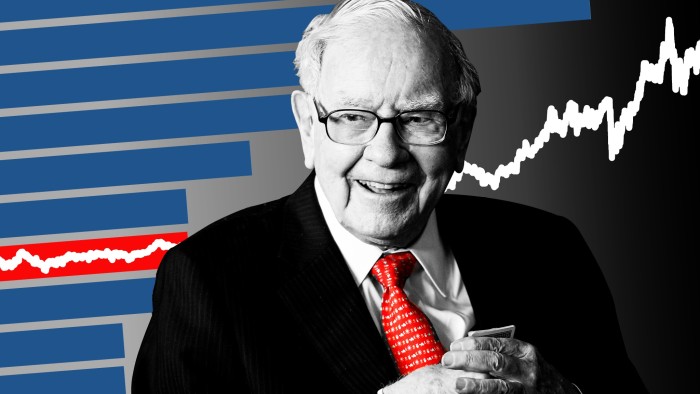
Warren Buffett, known as the “Oracle of Omaha,” is one of the most successful and revered investors of all time. As the chairman and CEO of Berkshire Hathaway, Buffett has built an unparalleled legacy in the world of finance through his disciplined investment strategy, keen business acumen, and unwavering principles of value investing. His journey from a young boy with a passion for numbers to a billionaire philanthropist offers valuable insights into the art of investing and the importance of ethical business practices.
Early Life and Education
Born on August 30, 1930, in Omaha, Nebraska, Warren Edward Buffett displayed an early interest in business and investing. By the age of 11, he had already made his first stock purchase. His fascination with the stock market grew as he devoured books on investing and absorbed lessons from his father, Howard Buffett, a stockbroker and U.S. congressman.
Buffett attended the University of Nebraska-Lincoln, where he completed his undergraduate degree. He then went on to study at Columbia Business School, where he was profoundly influenced by Benjamin Graham, the father of value investing. Graham’s principles would become the bedrock of Buffett’s investment philosophy.
The Formation of Berkshire Hathaway
In 1962, Buffett began buying shares in a struggling textile manufacturing company called Berkshire Hathaway. By 1965, he had taken control of the company, but he soon realized that the textile business was not viable in the long term. Instead of liquidating the company, Buffett used Berkshire Hathaway as a holding company for his investments.
Buffett shifted Berkshire’s focus to insurance, acquiring National Indemnity Company and later GEICO. The consistent cash flow from these insurance businesses provided the capital for further investments. Under Buffett’s leadership, Berkshire Hathaway evolved into a diversified conglomerate with holdings in various industries, including railroads, utilities, manufacturing, and retail.
Investment Philosophy
Warren Buffett’s investment strategy is grounded in the principles of value investing, which emphasizes buying undervalued companies with strong fundamentals and holding them for the long term. Key tenets of Buffett’s philosophy include:
- Intrinsic Value: Buffett focuses on the intrinsic value of a company, which he defines as the present value of future expected cash flows. He seeks companies trading below their intrinsic value, offering a margin of safety.
- Quality Businesses: Buffett invests in companies with strong management teams, competitive advantages, and stable earnings. He looks for businesses with a durable economic moat that can fend off competition.
- Long-Term Perspective: Buffett’s investment horizon is exceptionally long. He prefers to hold investments indefinitely, allowing compound interest to work its magic over time.
- Simplicity and Understanding: Buffett famously invests only in businesses he understands well. He avoids complex industries or companies outside his circle of competence.
- Frugality and Patience: Known for his frugality and disciplined approach, Buffett waits patiently for the right opportunities and avoids impulsive decisions driven by market fluctuations.
Iconic Investments and Acquisitions
Berkshire Hathaway’s portfolio boasts a wide range of successful investments and acquisitions. Some of the most notable include:
- Coca-Cola: Buffett’s investment in Coca-Cola exemplifies his belief in strong brands with enduring appeal. Berkshire Hathaway holds a significant stake in the beverage giant, reaping substantial dividends over the years.
- Apple: Despite being known for his aversion to tech stocks, Buffett made a significant investment in Apple, recognizing its robust ecosystem and loyal customer base. This investment has become one of Berkshire’s most profitable.
- BNSF Railway: The acquisition of BNSF Railway, one of the largest freight rail networks in North America, demonstrated Buffett’s confidence in the enduring value of infrastructure and transportation assets.
Philanthropy and Legacy
Beyond his investment prowess, Warren Buffett is also a renowned philanthropist. In 2006, he announced plans to give away the majority of his fortune to charitable causes, primarily through the Bill & Melinda Gates Foundation. His philanthropic efforts are guided by the belief that wealth should be used to improve society and address pressing global challenges.
Buffett’s commitment to philanthropy is encapsulated in The Giving Pledge, an initiative he co-founded with Bill Gates, which encourages billionaires to pledge the majority of their wealth to charitable causes.
Conclusion
Warren Buffett’s journey from a young boy with a fascination for numbers to one of the wealthiest individuals in the world is a story of perseverance, discipline, and unwavering principles. His leadership at Berkshire Hathaway has not only created immense value for shareholders but also set a standard for ethical and thoughtful investing. As Buffett continues to share his wisdom and wealth, his legacy as the Oracle of Omaha and a philanthropic visionary endures.

 digtimadminjorn