 digtimadminjorn
Introduction:
One Platform Is Not a Complete Strategy
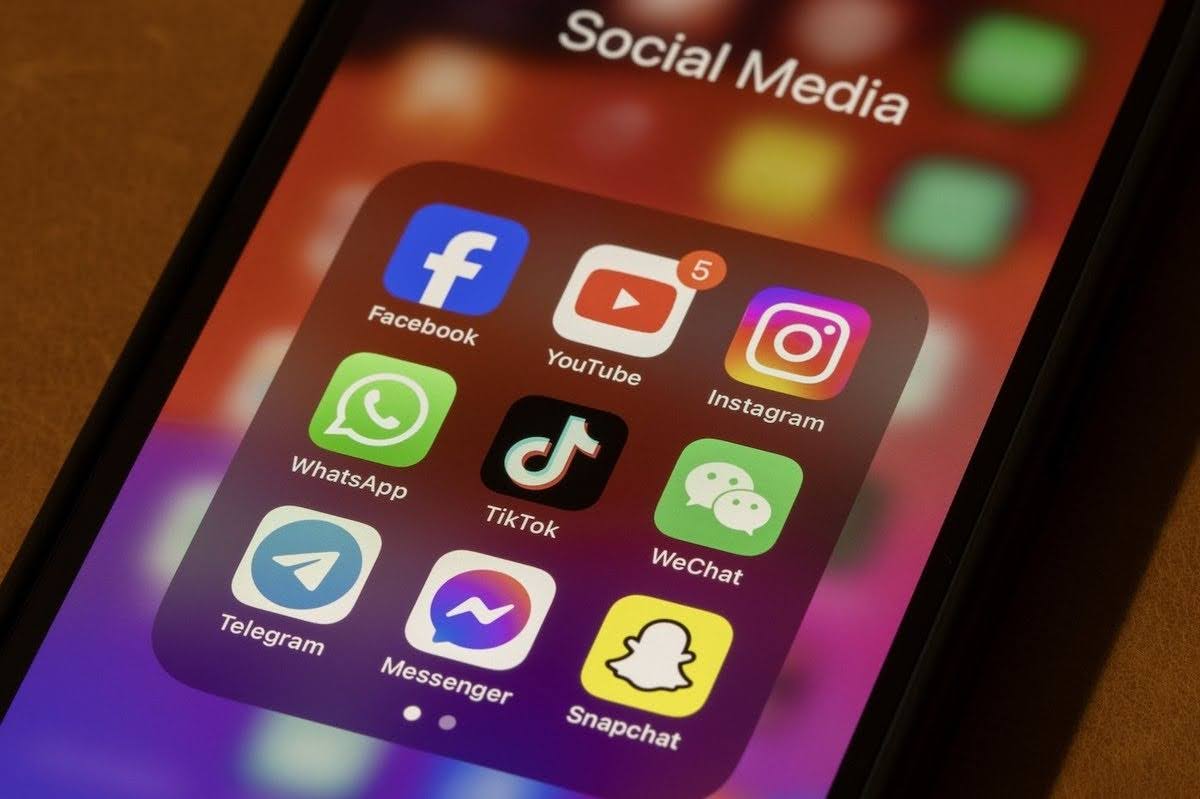
Social media has become one of the most powerful tools for brand awareness, customer engagement, lead generation, and sales. However, building an entire digital marketing strategy around a single social media platform can create serious risks. Whether a brand depends heavily on Facebook, Instagram, TikTok, LinkedIn, YouTube, or another network, changes in algorithms, audience behavior, platform policies, or technology can quickly affect performance. A stronger approach is social media diversification—using multiple platforms strategically while maintaining a consistent brand identity.
Social Media Audiences Are Fragmented
Consumers no longer rely on one social network for all their online activities. Different audiences prefer different platforms depending on their age, interests, location, and content preferences. Pew Research Center’s 2025 data shows that YouTube and Facebook remain widely used among U.S. adults, while Instagram, TikTok, WhatsApp, Reddit, and other platforms reach different segments. This fragmentation means brands can miss valuable customers if they communicate through only one channel.
Algorithm Changes Can Suddenly Reduce Reach
One of the biggest dangers of depending on a single platform is losing control over visibility. Social networks continuously change recommendation systems, ranking signals, advertising tools, and content policies. Even successful brands can experience declining organic reach when an algorithm changes. Meta, for example, has continued making significant adjustments to Facebook’s Feed and video recommendations, demonstrating how quickly content distribution can evolve. A multi-platform strategy gives brands alternative channels when performance changes on one network.
Platform Outages and Technical Problems Can Disrupt Marketing
Technical problems are another reason brands should avoid putting all their digital marketing efforts in one place. A temporary outage, login problem, advertising restriction, account issue, or technical failure can interrupt communication with customers. If a business relies entirely on one platform for inquiries, promotions, or sales, even a short disruption can create a major business problem. Maintaining an active presence across several channels provides a practical backup and keeps customers connected to the brand.
Diversification Helps Brands Reach Different Customer Groups
Every social platform has its own audience behavior and content culture. Instagram can be valuable for visual storytelling and product discovery, YouTube for educational and long-form video content, LinkedIn for professional audiences, TikTok for short-form discovery, and Facebook for communities, broad reach, and multiple content formats. The goal is not to publish identical content everywhere. Instead, brands should adapt their message to each platform while keeping their core identity consistent. This creates more opportunities to reach customers at different stages of the buying journey.
Multiple Platforms Create More Content Opportunities
A single piece of high-quality content can often be transformed into several platform-specific formats. For example, a long educational video can become YouTube content, short clips for Reels or TikTok, an infographic for Instagram, a professional insight for LinkedIn, and a discussion post for Facebook. This approach allows brands to increase content efficiency without simply copying and pasting the same post everywhere. It also helps businesses discover which formats and topics generate the strongest engagement with different audiences.
Social Media Diversification Reduces Business Risk
Relying on one platform creates a form of digital dependency. If that platform suddenly changes its advertising costs, recommendation system, content rules, or audience behavior, the brand’s marketing performance can be affected immediately. Meta itself identifies user engagement, competition, product changes, and changes in its ecosystem as business risks in its regulatory filings. While no platform is risk-free, spreading marketing activity across carefully selected channels can reduce the impact of unexpected changes.
Brands Should Build Assets They Control
Being present on multiple social networks is important, but true digital resilience requires more than collecting followers. Brands should also develop assets they have greater control over, including their website, email list, customer database, blog, online store, and search visibility. Social media should act as a traffic and relationship-building channel rather than the entire foundation of a digital business. When customers can move from social media to owned channels, brands become less dependent on the decisions of any single technology company.
The Best Strategy Is Strategic, Not “Be Everywhere”
Diversification does not mean a business must create accounts on every available platform. Trying to maintain too many channels can waste time, money, and creative resources. Brands should identify where their target customers actually spend time and select two or three priority platforms before expanding. Performance should be measured through meaningful indicators such as qualified leads, conversions, website traffic, customer engagement, and return on investment—not simply follower counts. The objective is to build a balanced digital ecosystem where each platform has a clear purpose.
Conclusion:
Build a Brand That Can Survive Platform Changes
Social media platforms will continue to evolve, and today’s most effective channel may not remain the strongest tomorrow. Brands that depend entirely on one platform expose themselves to unnecessary algorithm, audience, technical, and business risks. A smarter strategy combines multiple social channels with owned digital assets such as websites, email, and customer databases. The strongest brands do not simply build audiences on platforms—they build relationships that can move across platforms. By diversifying strategically, businesses can protect their reach, discover new audiences, strengthen customer relationships, and create a more resilient digital marketing strategy.


 digtimadminjorn