 digtimadminjorn
Introduction:
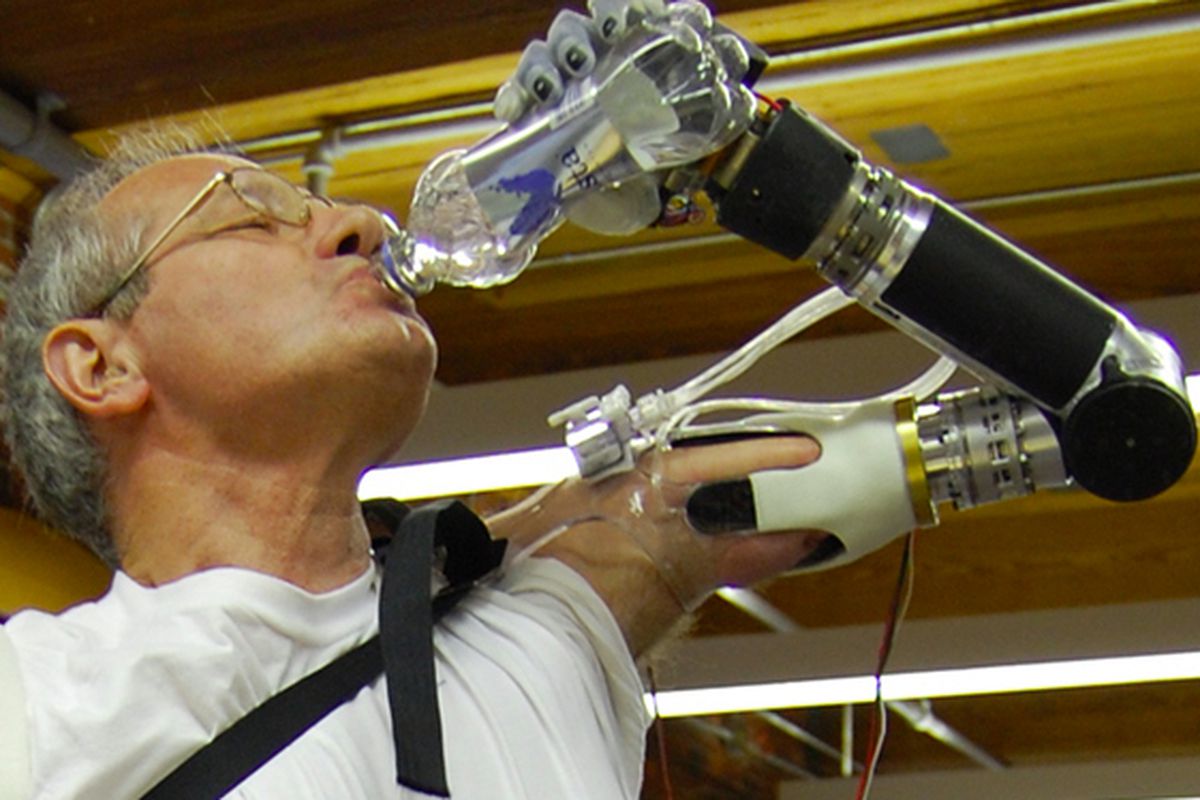
Advancements in technology have led to remarkable breakthroughs in various fields, and one of the most transformative areas is that of robotic prosthetics. These cutting-edge devices are changing the lives of amputees and individuals with limb disabilities, offering them a new sense of mobility, independence, and improved quality of life. This article explores the incredible impact of robotic prosthetics on individuals and the field of healthcare.
Empowering Amputees with Innovative Solutions:
Robotic prosthetics are a result of the convergence of engineering, material science, and medical research. These devices are designed to mimic the functionality of natural limbs, giving amputees the ability to perform a wide range of activities that were once challenging or impossible. By harnessing the power of robotics, these prosthetics provide wearers with a renewed sense of control over their bodies.
Cutting-Edge Technology in Motion:
The development of robotic prosthetics involves intricate engineering and advanced technologies. From sensors that detect muscle contractions to microprocessors that interpret signals, these devices bridge the gap between human intentions and mechanical motion. This seamless integration allows users to control their prosthetics intuitively, making movements feel natural and fluid.
Personalized and Adaptive Design:
One of the remarkable features of robotic prosthetics is their adaptability to individual users. Modern prosthetics are equipped with machine learning algorithms that adapt to the user’s walking style, pace, and environment. This dynamic adjustment ensures a comfortable fit and optimal performance, enhancing the user’s confidence in their everyday activities.
Enhancing Quality of Life:
Robotic prosthetics not only provide physical benefits but also have a profound impact on users’ mental and emotional well-being. The restoration of mobility and independence fosters a sense of empowerment and reintegration into society. Users often report increased self-esteem and a renewed sense of purpose, which significantly contributes to their overall quality of life.
Advancing Medical Research and Innovation:
The development of robotic prosthetics has spurred advancements in related fields, including neuroscience, biomechanics, and robotics. Researchers continuously work on improving the design, functionality, and comfort of these devices. As a result, the field is witnessing a wave of innovation that has the potential to further transform the lives of those in need.
Challenges and Future Prospects:
While the progress in robotic prosthetics is impressive, challenges such as cost, accessibility, and regulatory approvals remain. However, these challenges are being actively addressed through collaboration among researchers, healthcare professionals, and policymakers. As technology continues to evolve, the future holds the promise of more affordable and widely accessible robotic prosthetic solutions.
Conclusion:
Robotic prosthetics represent a remarkable intersection of technology and human potential. These advanced devices are not only restoring physical abilities but also inspiring hope and resilience in individuals who have faced limb loss. As research and innovation in this field continue to flourish, we can anticipate even more life-changing developments that will redefine what is possible for those with limb disabilities.


 digtimadminjorn