 digtimadminjorn
Introduction
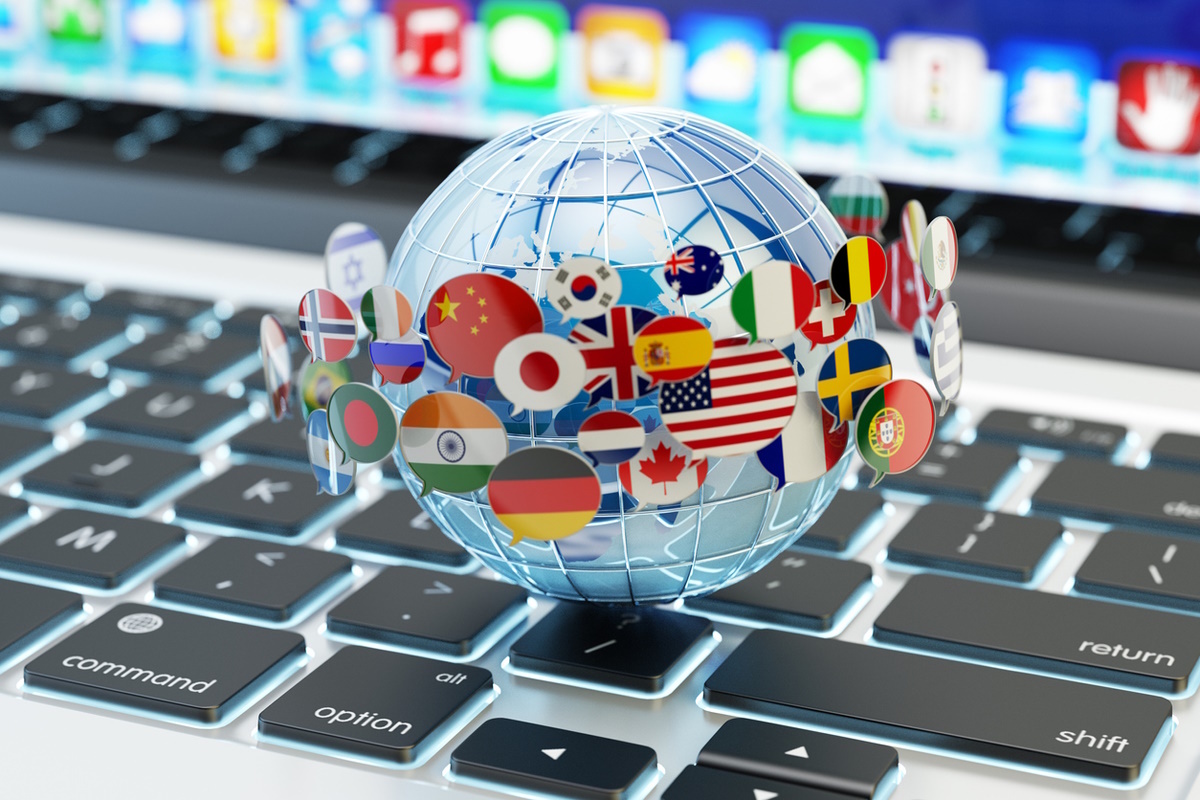
Language is one of the most beautiful aspects of human culture, enabling communication, connection, and understanding. Yet, the diversity of languages worldwide can also pose significant challenges, particularly in a globalized world where effective communication is paramount. Fortunately, advances in artificial intelligence (AI) have given rise to a new era of language translation, making it easier than ever for people to connect across linguistic boundaries.
The AI Language Translation Revolution
Language translation is not a new concept, but what sets the modern era apart is the integration of AI and machine learning into the translation process. AI-powered language translation has revolutionized the way we communicate globally, breaking down language barriers and fostering cross-cultural understanding.
How AI-Powered Language Translation Works
AI-powered language translation utilizes sophisticated algorithms and neural networks to process and understand text and speech in one language and then generate accurate translations in another. This process involves several key steps:
- Data Collection: AI translation models are trained on vast datasets of multilingual texts and speech samples. These datasets enable the AI to learn the nuances of different languages.
- Natural Language Processing (NLP): AI translation models use NLP techniques to understand the context, grammar, and idiomatic expressions of both the source and target languages.
- Neural Machine Translation (NMT): NMT models, a subset of AI translation technology, employ deep learning algorithms to provide more contextually accurate translations. This has significantly improved the quality of translations compared to earlier statistical methods.
- Continuous Learning: AI translation systems are constantly improving through continuous learning. They refine their translation capabilities over time, becoming increasingly accurate and adept at handling various languages and dialects.
Applications of AI-Powered Language Translation
The applications of AI-powered language translation are wide-ranging and impactful:
- Global Business: Multinational corporations use AI translation to facilitate communication with international partners, clients, and customers, enabling seamless global operations.
- Travel and Tourism: Tourists and travelers benefit from instant translation apps that help them navigate foreign countries and communicate with locals.
- Healthcare: Medical professionals use AI translation to communicate with patients from diverse linguistic backgrounds, ensuring accurate diagnoses and treatments.
- Education: AI translation aids international students in understanding lectures and course materials in their non-native language.
- Content Localization: Content creators and marketers use AI translation to adapt their products, websites, and marketing materials for global audiences.
Challenges and Ethical Considerations
While AI-powered language translation is a game-changer, it’s not without challenges. These include privacy concerns, the risk of bias in translations, and the preservation of linguistic diversity. Ethical considerations and responsible use of AI in translation are essential for ensuring its benefits are maximized.
The Future of Communication
AI-powered language translation continues to evolve, with the potential to become even more accurate, efficient, and inclusive. As technology advances, we can look forward to a world where language is no longer a barrier but a bridge, connecting people and cultures as never before.
Conclusion
AI-powered language translation is transforming the way we communicate in our interconnected world. It enhances global collaboration, promotes cultural exchange, and offers boundless opportunities for individuals and businesses alike. As AI translation technology continues to advance, we can expect a future where language is no longer a hurdle but a tool that empowers us to connect with anyone, anywhere.


 digtimadminjorn